Welcome to yet another featured article and yet another brand we have been fortunate enough to work with. Often, when we do these, I have been a big fan of the brands for a long time before ever working for them, and it has been a dream of mine to work with them. This time, full disclosure, before the start of the year, I had never heard of Delbana. But now that I have, I am so glad that I know the brand and their timepieces because, and this is a small spoiler for the article coming later this week, their watches are, for the most part, awesome.
It is rather funny that I had not heard of them earlier, as one of the first watches I ever owned was one that my mom and my late father gave me for my birthday once I got into watches. That watch is one that I hold dear despite the fact that it never gets used. It was a Delma dress watch in a massive 43 mm. Now, the reason this is important is that the store that sells Delma back in Iceland used to sell Delbana as well. The reason why they sold the brand is that it is owned by Delma. We will get more into that as the article rolls on, but I just found that interesting.

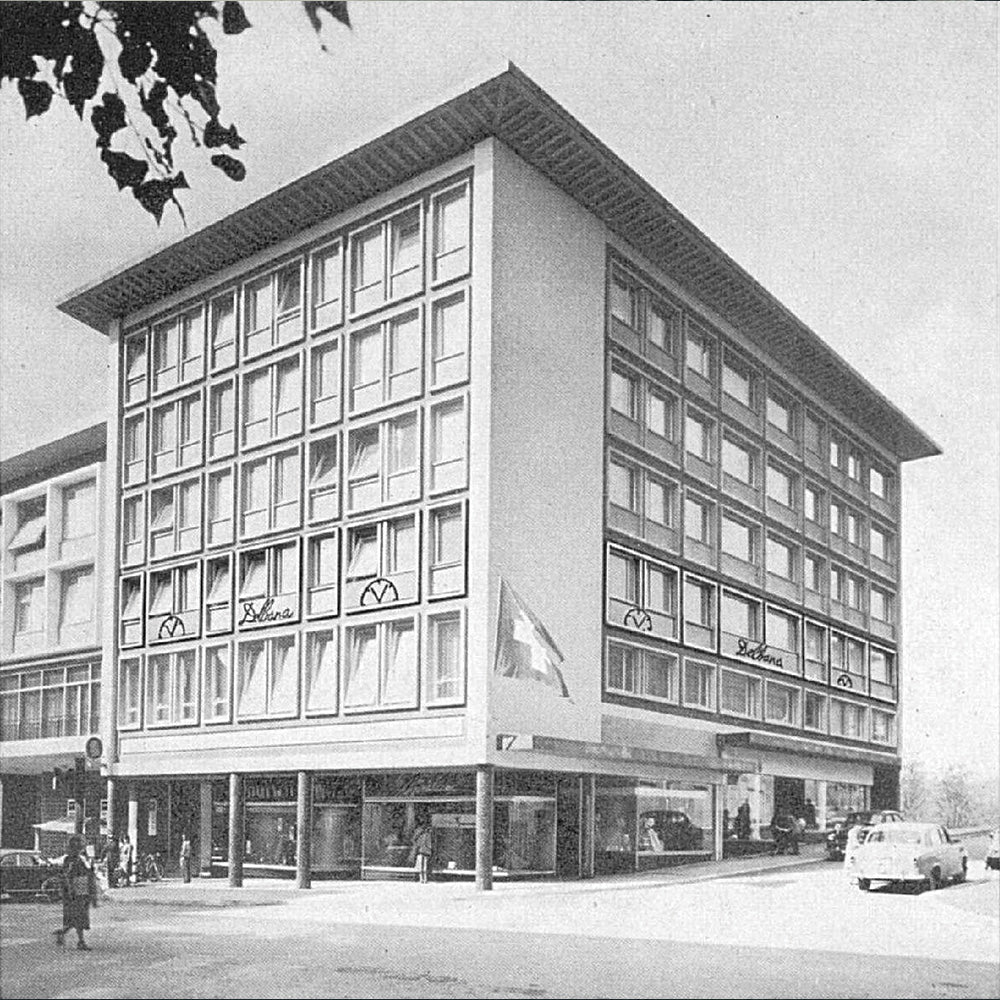
Now this story starts in an unusual place for a watch brand, despite the fact that it quickly goes into regularly scheduled territory. In the early 20s, a man by the name of Goliardo Della Balda ventures from the mountains of the microstate San Marino to Switzerland to start a brand new life with his family. He had a desire to own luxury time pieces, but due to his humble beginnings and the fact that he and his family were not blessed with cash, he thought to himself, if I cannot buy one, I must make one. That he did, in 1931 in Grenchen, Goliardo Della Bana founded the watchmaking company, Delbana.
The mission was simple, like most brands, we talk about, the mission is to make the highest quality possible for the most affordable price. Goliardo’s vision followed that philosophy. Delbana’s watches were world-class, like with many, they took up the chronograph in the 40s to supply aviators and drivers as that lifestyle became prevalent in the years before and after the war, and to great succsess I might add. The watches were accurate and incredibly stylish. Their Bi-compax models were stunning pieces of wearable, durable, and affordable horological artistry.

In the 50s, Delbana introduced the Voltage collection, which is relatively reminiscent of today’s Rotanda collection. These watches look stunning in pictures; many of them have cow horn lugs like you might see today in brands like Furlan Marri, and overall, the Voltage collection is awesome. This release corresponded with the brands 25 year anniversary and was made to bring more colors and signify a brighter future, not just for Delbana but for the whole world.
This coincided with the brand expanding its production and hitting sales figures of over a 100.000 units a year, which was a big milestone for the brand. Later, as we inch closer to the quartz crisis, the brand moved from precision chronographs into robust and durable dive watches, which had a rather unique case shape and design. The divers had 200 meters of water resistance and followed the lifestyle trends of the time. In the midst of the quartz crisis, the company merged with the WEGA watch company, and Delbana started producing quartz movements and digital watches, as was the style of the time.

The 90s and early 2000s were a tough time for the brand, as with many, the rise of the fast fashion watches was here, and a lot of brands started following trends in an effort of short-term survival rather than long-term gains. Delbana fell into that category, similar to brands like TAG Heuer. It wasn’t all bad, however, as in the 90s the brand launched its first stainless steel collection for both men and women, and in 2001, the brand merged with DELMA.
It took Delbana a good while to regain their stride, and I would say it came in the mid 2010s as they started moving more away from the fast fashion trends of the time and started going in a more timeless direction. Collections like the retro paid tribute to their chronographs and calendar timepieces from the 40s and 50s, and the overall style of the brand seemed to embrace the unique designs that they made throughout the years.
I would say this came to a crescendo in 2021 as they celebrated their 90th anniversary with a new collection, the Recordmaster. It would later be spun out into two separate collections with the Rotonda, and these pieces are directly inspired by the influential and successful Voltage watches of the 50s. Now the brand sits in a nice middle ground where they embrace their storied history and are not afraid to experiment with new designs and collections.

I won’t keep this any longer. I hope you have enjoyed our summary on the history of Delbana. Stick with us as we will review a timepiece from them later this week. If you missed it, we released two hands-on reviews last week. One talking about the DOXA Sub 250T. The other, talking about the YEMA Rallygraf. Ihighly suggest taking a look at those as well. As always, until next time.


Leave a Reply